Handover Inspection Gold Coast: A Practical Guide for New Homeowners
Receiving the keys to a newly built home is an exciting moment, but it is worth taking a closer look before considering the building process complete. Fresh finishes and modern fittings can create a positive first impression, yet small defects, incomplete installations or overlooked details may remain. A Handover Inspection Gold Coast gives homeowners an opportunity to review the property's visible condition and raise concerns before final acceptance. Understanding what to examine, how to prepare and what to do with inspection findings can make the handover process more organised and help you begin homeownership with a clearer picture of your property's condition.
What Is a Property Handover Inspection?
A handover inspection is a structured review of a newly completed home before the owner takes possession or accepts the finished work. It focuses on visible building elements, workmanship, fixtures and areas that may require attention.
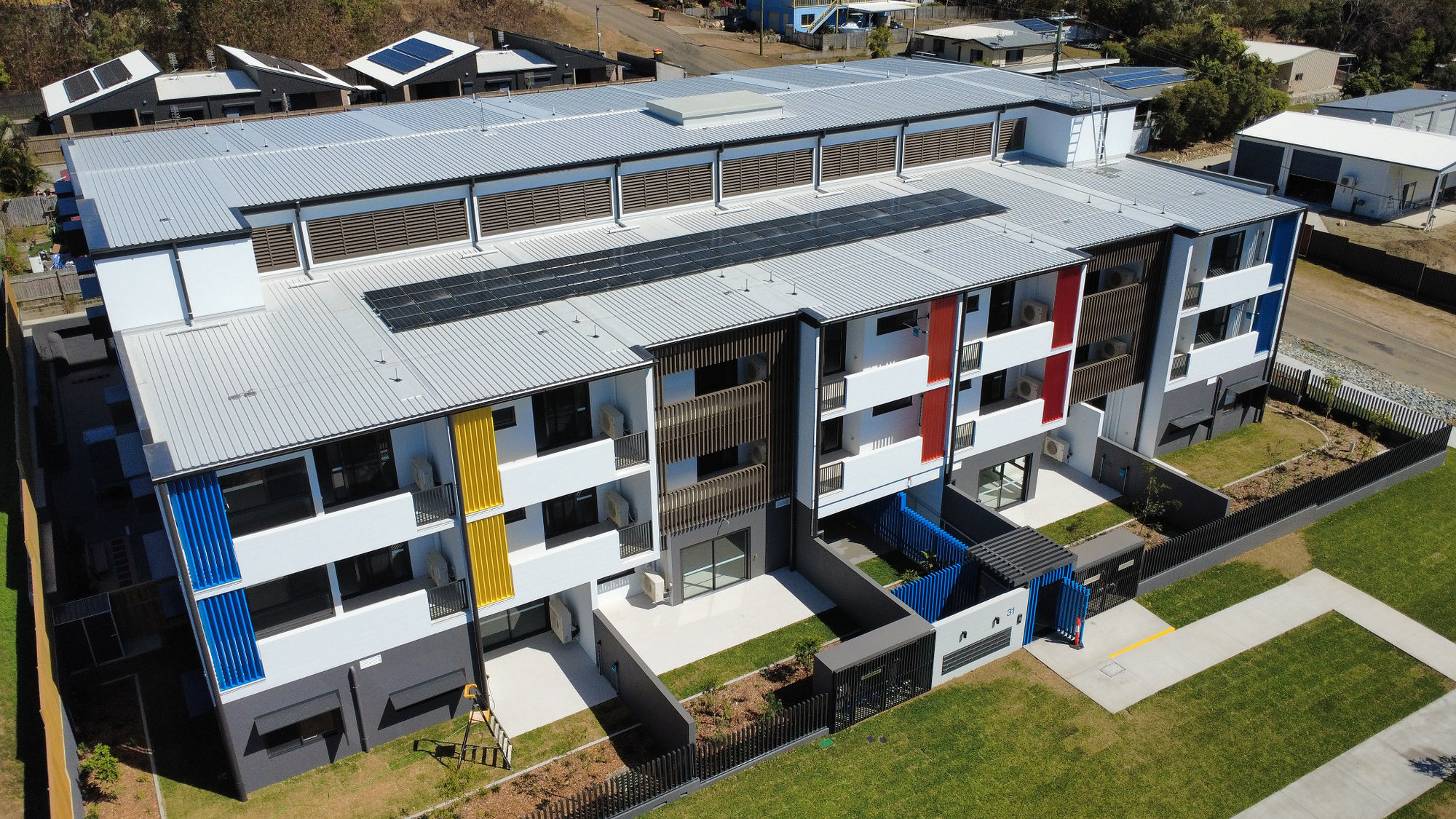
The inspection is different from a casual walkthrough. Instead of simply checking whether rooms look finished, it involves examining individual components and noting observable defects or incomplete items. These may include damaged surfaces, poorly fitted doors, uneven flooring, loose fixtures or concerns around wet areas.
The inspection's scope should be understood before the appointment. A standard visual assessment generally covers accessible areas and does not necessarily identify concealed problems behind walls, underground services or inaccessible building components. Where specialist testing is required, a separate assessment may be appropriate.
Areas That Deserve Attention Before Handover
A thorough review considers the home as a whole. Moving through the property room by room can help prevent important details from being overlooked.
Internal finishes and doors
Examine walls and ceilings for visible cracks, dents, uneven surfaces and inconsistent paint finishes. Check skirting boards, architraves and internal trims for gaps or poor joins.
Open and close doors to identify sticking, damaged hardware or alignment problems. Windows should also be checked for visible damage, smooth operation and signs of incomplete sealing.
Floor coverings deserve attention as well. Look for scratches, chipped tiles, loose sections, uneven transitions and noticeable gaps between materials.
Kitchens, bathrooms and laundries
Wet areas combine cabinetry, plumbing fixtures, tiled surfaces and sealant, so they require careful examination.
Check kitchen cupboards and drawers for alignment and smooth operation. Inspect benchtops, sinks, splashbacks and visible joins for damage or unfinished work.
In bathrooms and laundries, look for cracked tiles, missing grout, loose fittings, damaged shower screens and inconsistent silicone application. Water staining, persistent dampness or unusual odours should be recorded and investigated rather than ignored.
Electrical and plumbing fixtures
Where utilities are connected and checks can be completed safely, inspect accessible lights, switches, power points, taps and toilets. Confirm that visible fittings appear complete and undamaged.
Do not remove electrical covers or attempt to access concealed wiring or plumbing. If an installation appears unsafe or does not operate correctly, arrange assessment by a suitably qualified professional.
External Checks and Coastal Conditions
The exterior of a home plays an important role in protecting the building from weather and moisture. On the Gold Coast, coastal exposure and periods of heavy rainfall make it sensible to pay attention to external finishes, drainage and water management.
Inspect visible external walls, windows, doors, gutters and downpipes for damage, gaps or incomplete work. Look for signs of water entry around openings and check that accessible drainage points are not obviously obstructed.
Salt-laden coastal air can contribute to corrosion of exposed metal components over time. During handover, note visible rust, damaged protective coatings or deterioration around metal fixtures. The presence of a coastal environment does not mean a defect exists, but it makes the condition and suitability of exposed materials worth reviewing.
Other external features should also be checked:
-
Driveways and paths for uneven surfaces, cracks or unfinished edges.
-
Balconies and outdoor areas for visible damage and drainage concerns.
-
Fences and gates for incomplete installation or faulty operation.
-
Retaining walls for noticeable cracking or movement.
-
Landscaping for unfinished work and areas where water may collect.
Compare these observations with the plans and inclusions agreed with the builder.
How to Prepare for a Handover Inspection Gold Coast
Preparation makes it easier to review the property systematically and discuss concerns with the relevant people.
Before the inspection, organise your building contract, plans, schedules of finishes and any documents describing agreed inclusions. These records help you compare the completed home with what was specified.
A useful preparation checklist includes:
-
Confirm the inspection date and access arrangements.
-
Review the contract and identify outstanding agreed work.
-
Check that rooms, storage areas and external spaces are accessible.
-
Make a list of questions about fixtures and installed equipment.
-
Confirm whether utilities will be available for basic operational checks.
-
Keep notes from previous site visits and discussions with the builder.
-
Allow enough time to review the inspection report and raise relevant findings.
If you are researching independent inspection options, GoInspect's property inspection services provide further information about inspection support for property owners.
What Happens After the Inspection?
The inspection report should provide a clear record of visible observations, including the location and nature of any concerns. Findings may range from minor cosmetic issues to matters that need further technical assessment.
Review each item carefully rather than treating all observations as equally significant. A small paint imperfection is different from a concern involving water penetration, movement or an electrical installation.
Photographs can help communicate the location of defects. Prepare a written list of relevant findings and send it to the builder through the process outlined in your contract. Ask for clarification about proposed repairs, responsibility and expected completion arrangements.
Where a concern requires specialist investigation, seek advice from an appropriately qualified professional. Keep copies of inspection reports, correspondence and records of any rectification work. This documentation can be useful if questions arise later about what was identified and how it was addressed.
A More Informed Start to Homeownership
Handover is more than collecting keys; it is an opportunity to understand the condition of the property you are about to call home. A Handover Inspection Gold Coast helps homeowners review visible workmanship, identify incomplete details and raise concerns in a structured way. By preparing relevant documents, checking both internal and external areas and following up findings in writing, you can approach the final stage of construction with greater clarity and a practical record of the property's condition.


Comments
Post a Comment